Annual Reports
We ensure transparency and accountability to the community and our donors. The Hospital accounts are externally audited every year and the auditors’ reports published.
What we need most is support that will help us to reduce our donor dependency rate as we continue the journey to a sustainable status.
Visitors who want to give something back to the community after their visit have funded most of the buildings in the Hospital.
The Hospital welcomes visitors and works with tour camps, tour operators & drivers, the Ugandan Wildlife Authority and community walk guides to encourage visitors who are interested to learn about what we do.All our services are greatly subsidized to enable the poorest of the poor access health care irrespective of their financial or geographic means.
We are a private not- for- profit community hospital. Most of the running costs of the Hospital come from donations, grants, and gifts from individuals, organisations and Foundations. Currently, 42% of BCH US$ 1.2 million annual operating budget is raised from the community local collections (user fees and insurance), and subsidy from the Ugandan government. This has been because of the hospital’s deliberate efforts to reduce donor dependence from 95% seven-years ago to 58% today. Our goal is to increase local collections to at least 60%.
Summary of current annual report
I warmly welcome you to our Annual Report for the financial year 2024/2025. It is a privilege to share a reflection of our collective achievements and future aspirations. We remain deeply grateful to all our partners and friends whose steady support continues to drive the growth, stability, and mission of Bwindi Community Hospital.
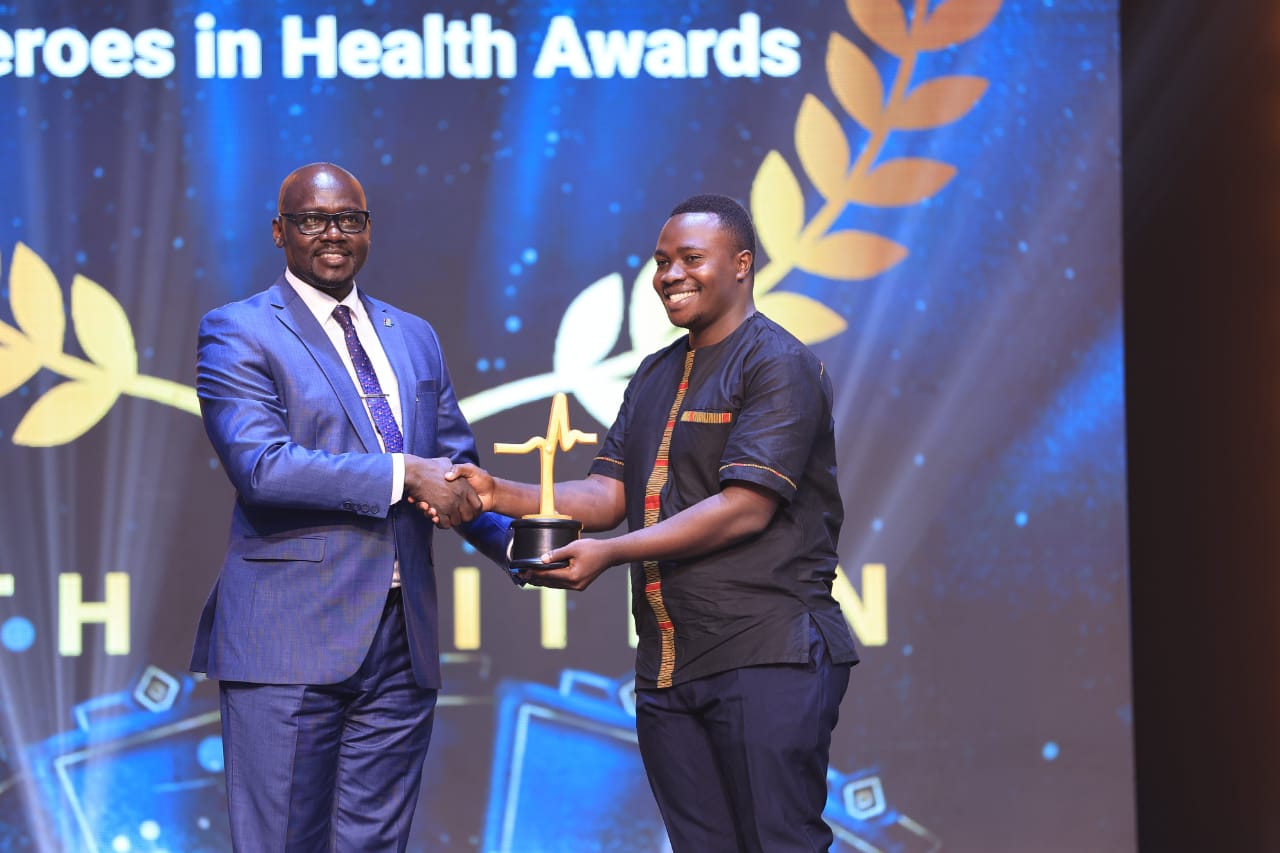
During the year, BCH registered remarkable progress across clinical care, community health, education, and digital transformation. Our commitment to excellence was recognized nationally when we received the UPMB Best Quality Service Delivery Award for embracing ICT in healthcare, the Heroes in Health Award for using ICT to improve patient care, and the prestigious Heroes in Health Lifetime Achievement Award presented to Dr. Scott Kellermann for his outstanding contribution to community well-being.
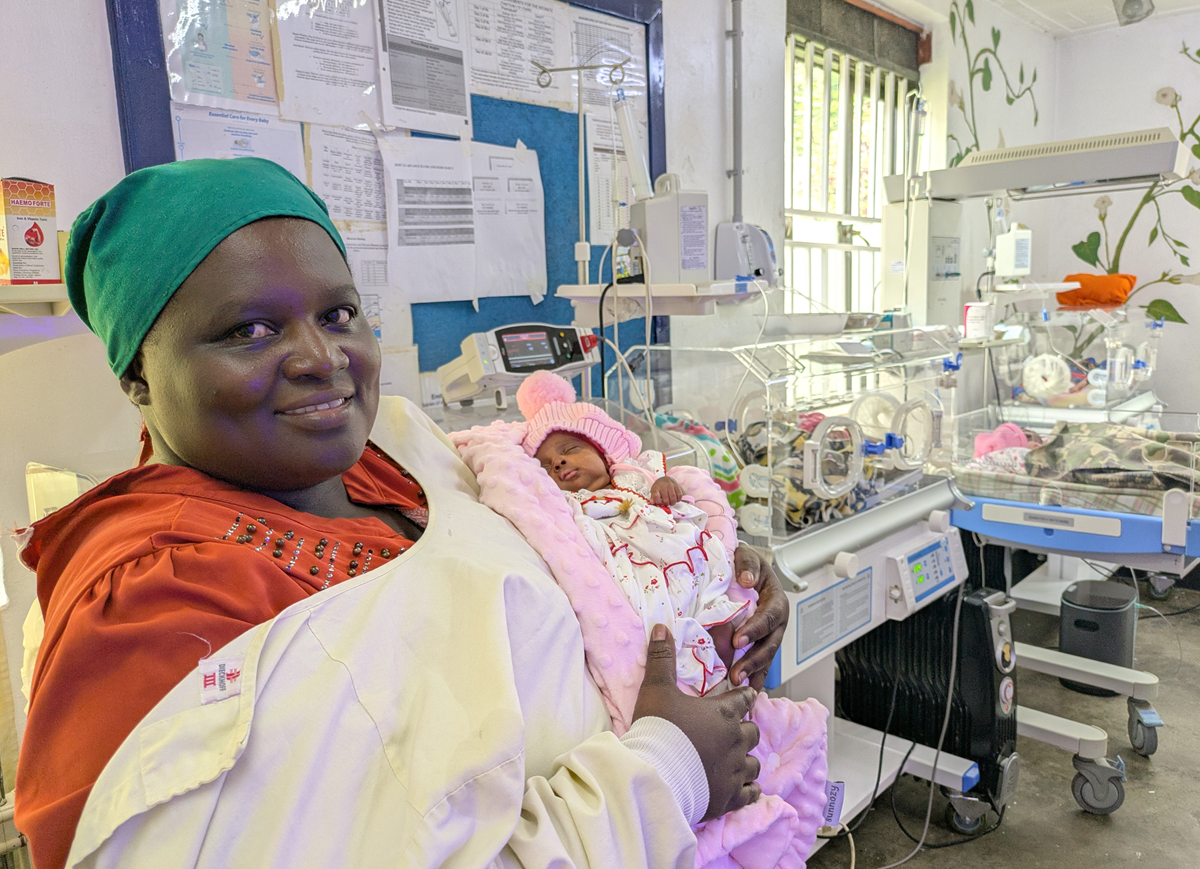
Clinical services grew significantly, especially in maternal, newborn, and child health. We recorded 3,755 ANC visits, 1,137 safe deliveries, and 2,833 family planning clients, with a noted increase in uptake of long-term methods by over 20%. Teenage pregnancies accounted for 13% of ANC attendance, reaffirming the importance of youth-friendly services. Among the Batwa community, skilled deliveries rose to 96% and child malnutrition dropped to 1.6%, showing the impact of sustained community outreach. Through the MamaBaby Bwindi project, over 500 vulnerable mothers received strengthened support for safe motherhood during the year. Neonatal care continued to improve, with 282 admissions and a 92.3% survival rate in the NICU. Despite the loss of USAID UPMB-LSDA funding, our HIV and TB programs remained resilient. Over 5,000 clients were tested, all positive cases were linked to care, and viral suppression improved to 98.7%. TB screening expanded and all diagnosed patients were successfully initiated on treatment.
A major highlight of the year was the completion of the new Dental and Vision Clinic, which now brings essential oral and eye care closer to the community. Our training wing made significant progress by obtaining a provisional licence for the African University of Science and Management (AUSM), marking a key step toward becoming a fully fledged university. We also launched the EAFYA electronic medical records system, alongside ALIS for laboratory processes and Uganda EMR for HIV clinic support. These systems were integrated to usher in a new chapter of digital health innovation, improving patient information management and continuity of care. Additionally, Batwa Alcohol Rehabilitation Television Program (BARTV) was launched in the community to help reduce alcoholism and promote health awareness.
Looking ahead, BCH aims to deepen community engagement and preventive health by expanding HIV/TB case finding, youth-friendly services, and nutrition outreach, especially in hard-to-reach areas. We plan to strengthen specialist care by investing in NICU and ICU equipment, diagnostic capacity, and specialist clinics. The AUSM transition will continue with curriculum development and accreditation of new programs. Strengthening financial sustainability remains a priority through revenue generation, the expansion of the eQuality insurance scheme, and new partnerships to replace lost external funding.
We are truly grateful for your continued support and partnership. I invite you to explore this report for a fuller picture of our progress and our shared vision for a healthier, stronger future for Bwindi Community Hospital and the communities we serve..
I would be honored if you could continue reading to explore our impact on the community in greater detail.
Household Survey
Each year we conduct a Household Survey, measuring things like the percentage of people we serve sleeping under mosquito nets and whether or not children in our catchment area have been immunised. We collect this information in order to guide our future work, so that we know which areas we are succeeding in, and which areas we need to work harder.
A comparative study of HIV risk factors and health care utilization between the batwa pygmies and surrounding Communities of Kanungu District, South west Uganda.
Strategic Plan
Here are some of the strategic plans we have had.
Latest News